SCIENCE ASIIGNMENT 4: TEACHING AIDS


Scientific Subjects Made Simple: 07 Pivotal Teaching Aids for Science
Classroom
boredom often preys on students in science classes due to the fact that
students have to learn science in the most illogical way: repeating
what written in science book to memorize it without actual understanding
of the subject. Nevertheless, you can still be the teacher of the year
if you know what it takes to ignite hearts for science: teaching aids
for science.
The need and importance of teaching aids for science
- Information is clear, precise and accurate when learned using teaching aids as they are able to break a big chunk of scientific concepts into smaller pieces of information, enable better grab of the matter.
- Teaching aids, based on the type used (we dig deeper about this right in the next section), can provide different stimulation to senses, real experience or opportunities to students to learn at their own pace.
- A lot of teaching aids for science involve the use of visual information. The human brain is extremely sensitive to pictures and able to process images 60,000 times faster than text. Teaching aids for science allow better retention of scientific concepts in long-term.
- Teaching aids for science, by accelerating a student’s learning process, can also result in a better achievement of learning objectives.
7 Approaches to Teaching Aids for Science
These 7 teaching aids for science we introduce in this article are largely based on Dale’s Cone of Experience.
Dale’s
Cone of Experience, created by the American Educator – Edgar Dale, is a
method to classify and category teaching aids based on learning
experience and sense stimulation involved. Read more about Dale’s Cone of Experience
1. Radio Programmes
A
prominent example of Radio Programmes as a teaching aid for science is
the Radio Science Lesson created from the collaboration of UNICEF and
several Non-governmental Development Organizations in Sierra Leone when
the government shut down all school to curb the spread of Ebola in 2015

Jimmy
Kamara, 9, is one of the students in Sierra Leone who use radios to
continue their education while schools remain closed owing to
Ebola. Tolu Bade/Courtesy of UNICEF.
Pros:
As the example shown, Radio Programmes can be effective teaching tools
for science in remote areas or war-torn areas where opportunities for
formal education are severely limited due to the paucity of school and
teachers.
Cons:
The downside is that as effective as it is, radio programmes
broadcasting science facts cannot serve as an alternative to a science
classroom. Another barrier is that the cost to establish a radio
programme is not cheap and require collaborative efforts from various
resources.
2. Still Pictures
Charts
On the basis of presentation, charts can be of the following kinds:
- Tree charts: To show various kinds or relationships.
- Classification charts: To present classifications e.g. plant kingdom or animal kingdom.
- Collages: Are those charts where information or pictures from other sources (newspaper, magazine, etc) are pasted.
- Flip charts: Are a series of charts which are shown one after the other. They are bound to make a flip book or put on a stand and flipped backward like calendar sheets.
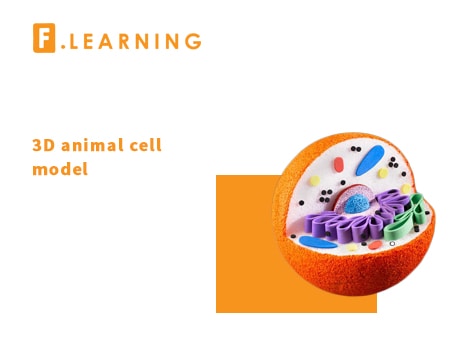
Models
Models
represent real things but size and shape may change. They may be static,
sectional or working. In a static model, parts of a system cannot be
separated. If a model where all parts can be removed and replaced, it is
a sectional model. Working models show actual operation of an object or
process, e.g, conduction of electricity, body systems, etc.
Pros: Both
Charts and Models are the most common teaching aids for science due to
its high availability, low-cost preparation and can be effectively
recycled.
Cons:
Many charts can easily get lost in student’s yawns due to its
repetitive format. Therefore, upon making a chart as a teaching aid for
science, the teacher must take into serious consideration:
- the balance between text and pictures on a chart (e.g too much text can make the lesson double student’s boredom )
- the combination of colors
- the information presented.
3. Motion Pictures
Animated films as illustration
Animated
learning videos are short cartoons or motion graphics that play as
visual supporting tools for teachers. A short animated film can be
introduced into the lesson to illustrate a particular point e.g. during
the teaching of the digestive system, actions of enzymes in various
organs can be shown using a film. The adoption of animation in
education, especially in the context of a science classroom, is in fact,
a strong method of teaching science subject.
Pros: Students dig animation! That is a big fact! Animation
learning video, created with a proper combination of engaging sounds
and authentic visuals, are able to kindle student’s interest in
scientific concepts by simplifying complicated concepts quickly and
beautifully.
Cons: Animated
films as the supplements for science class are often expensive as you
will need the hands of the professionals for this.
|
Help articles you should check out:
|
Background films
Generally,
documentary and interest films provide a background to science lessons.
Science teaching can be improved using well-balanced documentary films
on industrial and social themes e.g. pollution, population, hunting or
natural disasters. Documentaries can go beyond the core science lesson
to be emotionally powerful vehicles that can transport students to other
cultures and create an awareness of current global issues from the
inside out through feeling and empathy. When enhanced with written
reflection, films help students develop social and emotional learning in
ways not available from textbooks or lectures.
Yukon Kings – a documentary film in Global Oneness Project, portrays the local ecosystem of Yukon Delta and its community.4. Science Fairs
Pros: The
power of science exhibition as a teaching aid for science lays in its
inspiring nature. The exhibition gives students a great sense of
ownership toward their science projects and increases student engagement
in science by encouraging them to apply what they are taught in science
class. Furthermore, science fairs involve much more than science,
students have to the chance to hone their presentation skill,
researching skill, report writing skill, debating skill, etc.. Proud
faces and energetic faces of students painted across the science fair
scene is always an exciting spectacle. Science fair, therefore, should
be recommended as the cornerstone of successful science teaching.
Cons: The major drawback for students is the time
commitment. Since the projects are unique, students will have to carry
out the experiments on their own time. This con conflict with other
school assignments if not planned well. A science fair is also a huge
commitment on the part of teachers. For every students, they need to
assess if the project is acceptable, help with finding reliable
information sources, and give feedback when a student encounters a
problem. On top of that, there are numerous other responsibilities,
involved with getting all the projects displayed and judged. In
addition, organizing a school-sice science fair can sometimes require an
unnecessarily large amount of finanvial resource which can be equally
allocated to other teaching aids.5. Field Trip
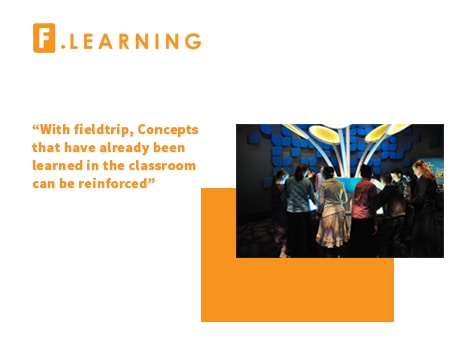
Pros: Student
loves field trips. Without a doubt, a carefully planned educational
field trip can be a great teaching aid for science. Students are exposed
to new experiences that potentially broaden their horizons. Concepts
that have already been learned in the classroom can be reinforced and
students are provided with shared reference points that teachers can
then refer to and use in future classes.
Cons:
Beware of the underlying red flag! Fieldtrip can result in a heap of
burdens for teachers (imagine managing 50 over-exciting students running
around wildly for a whole day), a mere holiday for students, an
expensive extravagance and bad publicity for a school, unless they are
well-planned and motivated.
Excursions
should be made with a definite purpose in mind to answer questions that
are best settled by first-hand observations. Students should be aware
of the purpose of the trip. The teacher should have knowledge on the
place being visited and should ensure that there is plenty of
opportunities to see and to ask questions. Furthermore, it is not
necessary that a field trip has to be out of school or of long duration.
It can always be carried out within school premises – in a field, to
school museums, to science laboratories, etc. Field trips can be of
immense value to the study of science. Probably, more time should be
spent getting ready for an excursion and gathering deductions from it,
than on the actual excursion.
6. Dramatic Participation (Roleplay)
It’s
common knowledge that Drama and Science are as different as chalk and
cheese and dramatics is only for languages. However, if you take a step
back and a broader look, drama can be applied to primary classes as
well. Science teacher can think of many topics which can be taught
through role play or drama.
Pros:
Dramatic Participation as teaching aids for science proves to be useful
to teach very abstract and uninteresting ideas. Some topics which can
be taught through dramatics are the solar system, ecosystem, nutrients,
vitamins.
Furthermore,
Roleplay in Science classroom can deliver various benefits regarding to
student’s interpersonal skill development including: encouraging
student to interact with each other and create their own reality;
raising student’s awareness of ethical and moral issues arising from
science curriculum; helping students to have a better conceptual skils
(with analogical roleplay)
Cons:
Roleplay session in a science class, as appealing as it may sounds, can
be very time-consuming and result in poor learning outcomes if not
planned thoroughly.
Preparation for roleplay
Now this
is an unexpectedly interesting teaching aid for science, so let’s dive
deeper to see how you can become teacher of the year with this teaching
aid and use this teaching aids the right way.
- Similar to the preparation for other teaching aids for science, Get your objectives for the science lesson down first. What do you want them to learn? Are the students needing to prepare a report or presentation about this later? Is this going to be part of a public performance? A bit of pre-planning here will help you keep the science lesson in focus while having some fun!
- Get practical; what constraints are there on the lesson? How much time do you have to put this together? Are the students going to be working in small groups or all together? What is your budget for materials?
- Before you run the role play, clear some time for your students to do their own research about the topic and give them an opportunity to bring their fresh ideas into the session
- Decide on the learning framework in your debrief after role-play session. Is this a class discussion or is it more of a reflection task? This might form part of the assessment component of your unit of work too.
Three ways to get students excited for science class with roleplay
- Story: Create a story around the role-play scenario you’re giving your students. Make it as immersive and realistic as possible. Your students could help make the storyboard for others to follow here too
- Props: Collect as many materials as you can to make the role-playing game as immersive as possible
- Simulatory audio tracks: Get audio tracks of the environment you’re simulating. You’d be amazed what you can find on sites such as freesound.org where you can use the collections of Creative Commons Licensed sounds to create an ambiance of the real thing
7. Direct Experience
Pros: Direct
experience is the process of acquiring knowledge by fully and directly
participating in an activity. Generally speaking, this produces more
usable and vivid knowledge than learning about something with indirect
experiences such as a game, video or book. The primary example of this
teaching aid, despite being not new – classroom science experiment,
still prove to be an incredibly effective means of helping students to
actually apply what they have learned from textbook and lectures!
Cons: All
such experiences may not be meaningful especially when the real things
are too small or too big to comprehend e.g. airport, factory, atom,
furnace, ecosystem, etc. The science teacher has to decide the type of
direct experiences which will be useful for their students. Some
examples are – phyllotaxy, types of leaves, the structure of flower,
common animals.
Essential rules when choosing teaching aids for science
As detailed in the early section, the choices for teachings aid for science are not limited, at all! However, the decision about which aid will be most helpful for a particular scientific topic to be taught in class. To avoid hastily adopting trendy teaching aids for science and suffering counterproductive consequences, there are a few simple rules to keep in mind when choosing teaching aids for science.- A teaching aid for science should be affordable and should not be time-consuming.
- A teaching aid is not a substitute for teaching.
- “informative” and “Entertaining” must go hand in hand. Teaching aids not only need to fulfill teaching objectives for a particular subject but also need to create interest among students.
Read Further:

Subscribe to F.Learning Blog
Sign up to our newsletter. Don't worry, we won't send you spam, just updates of our blog monthly.